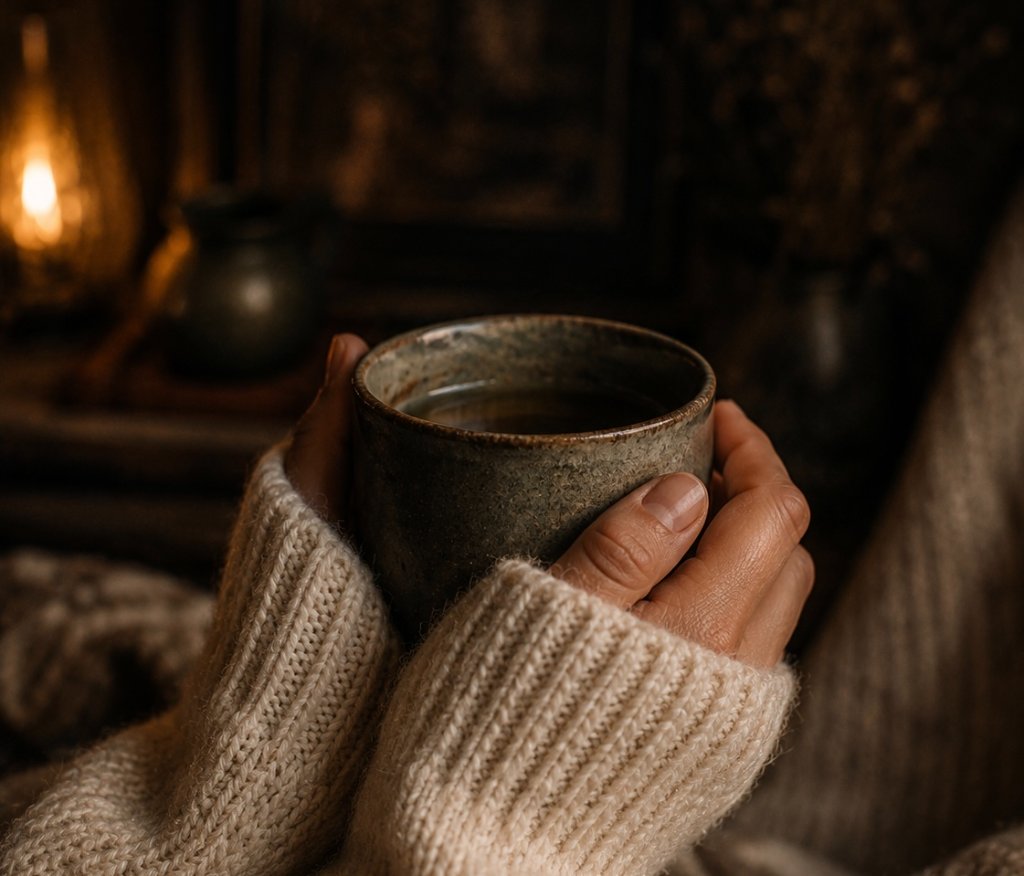
Healing asks for patience, but it also leaves room for hope. Whatever has happened before, people have a remarkable capacity to learn, adapt, reconnect, and find their way toward a life that feels good to live again.
Difficult experiences can stay with people in ways they don't always recognize at first. Healing is a tender thing, and it rarely moves in a straight line. The body may become quick to brace for trouble. Trust may take a little longer. An ordinary moment can touch an old memory and suddenly feel anything but ordinary. There is nothing particularly strange about this. Human beings learn from what happens to them, especially from what hurts. Part of healing is gently helping the mind and body learn something new.
There are many ways to do that, and good support can make an enormous difference:
- Trauma can affect the way the mind and body respond to stress, closeness, uncertainty, and safety.
- Nervous system regulation helps the body learn that it doesn't always have to stay on guard.
- Therapy offers a place to sort through what happened and understand what may still be carried from it.
- EMDR can help painful memories lose some of their intensity, so they begin to feel more like something that happened in the past.
- Self-compassion means learning to speak to oneself with the same decency and tenderness that would be offered to someone dearly loved.
- Recovery looks different for everyone. Often, it means having more freedom to choose how life is lived now.
And perhaps that last part is worth remembering. Healing isn't only about tending to what hurts. It's also about getting things back: a good night's rest, an easy laugh, the courage to trust someone, an afternoon spent doing something simply because it's enjoyable. Little by little, life can become about more than protecting old wounds. There are still places to go, people to know, things to make, meals to enjoy, and mornings that haven't happened yet. Healing makes a little more room for all of them.